
Becoming an Amazon seller can be an exciting and lucrative venture, but it also comes with its fair share of questions and uncertainties. Whether you’re a seasoned entrepreneur or just dipping your toes into the e-commerce world, you likely have several burning questions. In this blog post, we’ll address some of the most frequently asked questions by aspiring Amazon sellers. So, let’s dive right in!
1. How much money do I need to set up an Amazon account?
Setting up an Amazon seller account in the UK can be done in two ways: Individual or Professional. An Individual account is free, making it an ideal choice for those just starting with a limited product range. However, it comes with a per-item selling fee in addition to referral fees. If you plan to sell more than 35 items per month, a Professional account is a cost-effective option at £25 (plus VAT) per month, granting access to bulk listing and other valuable features.
2. When do I get paid for a sale?
Amazon operates on a bi-weekly payment schedule for UK sellers as well. After a successful sale, there’s a standard holding period of 14 days. Within this time frame, Amazon verifies the transaction and handles any potential returns or customer issues. Once the holding period ends, your earnings are deposited directly into your UK bank account. It’s crucial to provide accurate banking details to ensure smooth and timely payments.

3. Which country should I launch in first?
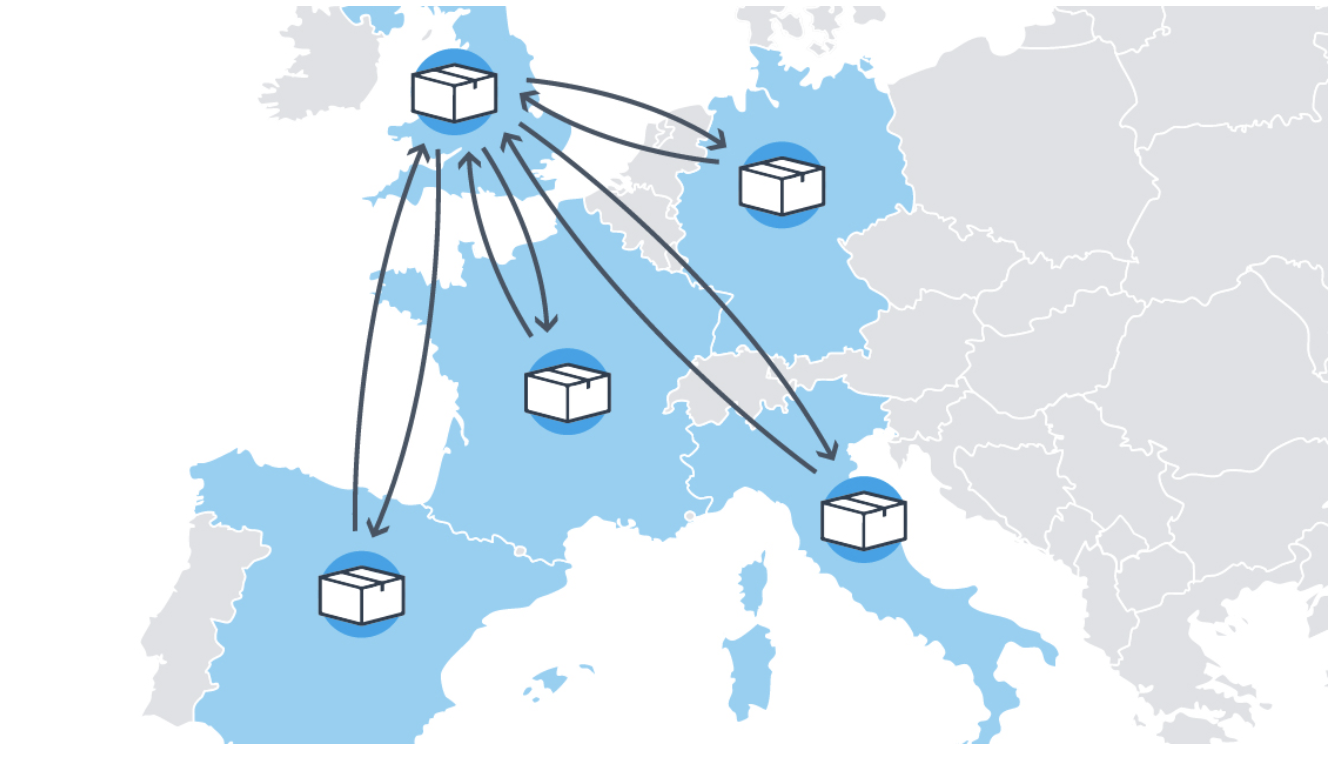
Deciding where to launch your Amazon business depends on various factors like your target audience, product demand, and shipping capabilities. Many sellers start with their home country due to familiarity with the market and regulations. However, if you aim to tap into international markets, consider countries with high e-commerce growth rates and fewer language barriers. Conduct thorough market research to make an informed decision based on your niche and goals.
4. What is a good product to sell on Amazon?
A successful Amazon product in the UK is one that strikes the right balance between demand and competition. Look for products with steady demand but relatively low competition to increase your chances of standing out. Use tools like Amazon’s Best Sellers Rank (BSR) and keyword research to identify potential niches. Additionally, products with scope for differentiation or unique branding often perform well on the platform.
5. Should I launch my own brand on Amazon or sell 3rd party items?
The decision between launching your brand or selling third-party items in the UK depends on your long-term goals and resources. Selling third-party items can be an excellent starting point to gain experience and learn the ropes of Amazon’s marketplace. However, building your brand allows you to create a loyal customer base, control product quality, and potentially expand beyond Amazon in the future. Consider your expertise, budget, and dedication to building a brand when making this decision.
6. What do I do if my product has a selling restriction?
Encountering selling restrictions on Amazon UK is not uncommon, especially for certain products or categories that require additional approvals or certifications. If you face such restrictions, don’t panic. Firstly, review Amazon’s guidelines to understand the reason behind the restriction. You may need to apply for specific permissions or meet certain criteria. Engage with Amazon seller support for assistance, and if necessary, seek professional help to navigate through the process. Remember, adherence to Amazon’s policies is crucial to maintaining a successful and sustainable business.
As an aspiring Amazon seller in the UK, having your questions answered can provide the clarity and confidence needed to kickstart your e-commerce journey. By understanding the costs, payment processes, market choices, product selection, and handling potential hurdles, you’ll be better equipped to build a thriving Amazon business in the UK. Always keep in mind that the e-commerce landscape is dynamic, so stay updated with Amazon’s policies and industry trends to remain competitive in this ever-evolving marketplace. Happy selling!